Why Professional Wildlife Removal Services Are Needed for a Safer Home Environment
Wildlife intrusions present substantial threats to domestic security. Many homeowners underestimate the potential hazards linked to wildlife in their homes. Expert wildlife removal services offer essential expertise in handling these risks. They not only address current invasions but also implement strategies to avoid subsequent incidents. Understanding the health consequences and the methods employed by these experts is critical for preserving a secure home environment. What particular threats do these creatures pose, and how can specialists effectively reduce them?
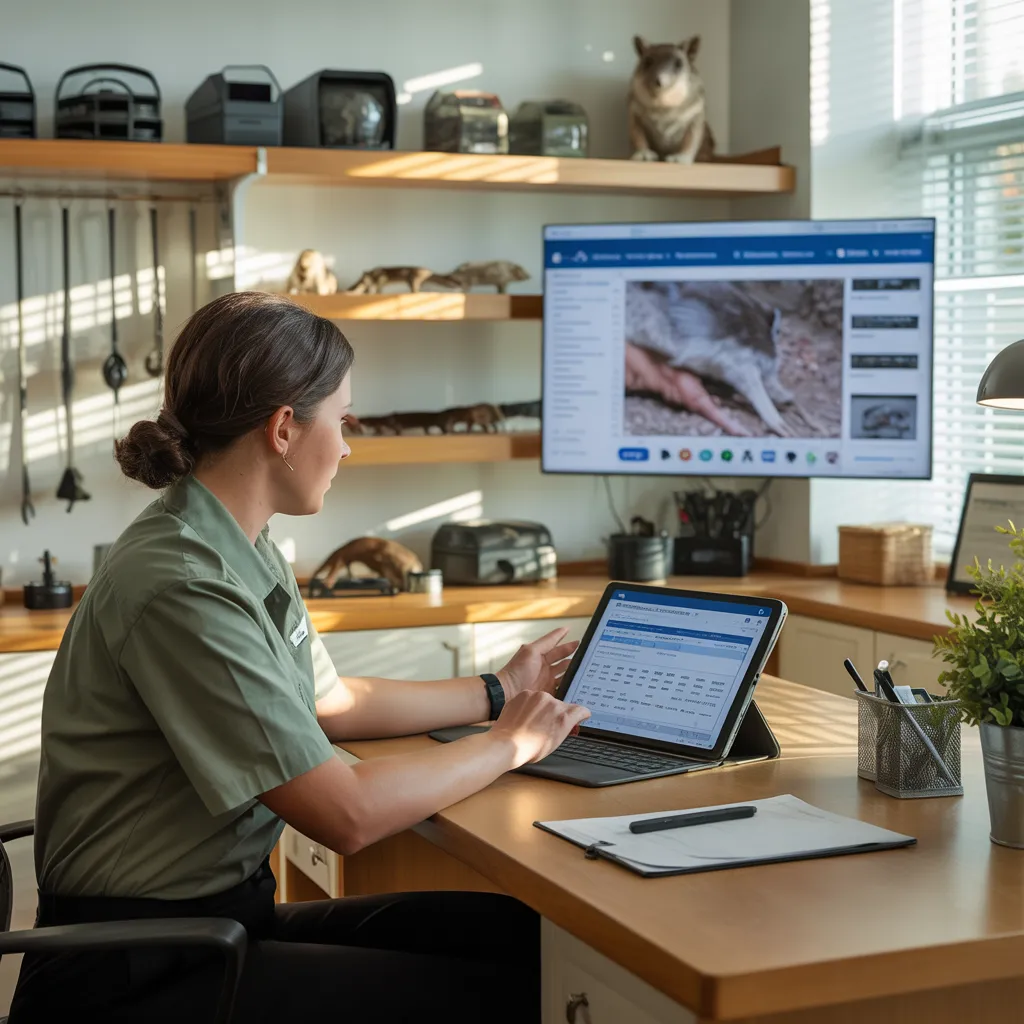
Why It's Critical to Be Concerned About Creature Encroachments
Wildlife invasions pose substantial threats to homes and properties. Animals such as raccoons, squirrels, and bats can penetrate structures, resulting in potential damage and security concerns. These intrusions often lead in building issues, including damaged wiring, insulation deterioration, and compromised roof systems. Additionally, animals can bring pests like fleas and ticks, which can impact both human and pet health.
Furthermore, numerous wild animals carry diseases that present health risks to residents. Rabies, hantavirus, and leptospirosis are merely a couple of instances of the dangers presented by these invading creatures. Their presence can generate an atmosphere of fear and worry for property owners, disrupting everyday routines and mental tranquility.
Dismissing the signals of creature encroachment can trigger mounting difficulties, making quick detection and response crucial. Recognizing the effects of animal trespassing is important for upholding a protected and safe residential setting.
Why Qualified Wildlife Removal Is Imperative for Safety
When property owners encounter wildlife intrusions, getting professional pest control becomes essential for maintaining safety. Wild beings, such as raccoons, squirrels, or bats, can bring various threats, including property damage and potential danger to occupants. These beings may chew through electrical wiring, weaken structural integrity, or establish unsanitary conditions.
Experienced wildlife removal professionals possess the essential training and tools to tackle these situations safely and effectively. They grasp animal behavior and can apply humane removal approaches, reducing anxiety for both the animals and the homeowners. In addition, professionals can pinpoint entry points and offer recommendations for future prevention, reducing the likelihood of recurring problems.
What Health Threats Connected With Wildlife in Your Home?
Encountering animals within the dwelling introduces many wellness threats that occupants may not at first recognize. Species such as raccoons, rodents, and bats can host assorted conditions that represent considerable risks to individual health. For instance, raccoons are established sources of rabies, which can be mortal without swift medical intervention. Rodents, including mice and rats, can pass on hantavirus and salmonella through their droppings and urine, potentially contributing to critical respiratory issues and stomach illnesses.
Furthermore, animals can introduce parasites like fleas, ticks, and mites into the home, which can affect both humans and pets. The presence of these pests may lead to hypersensitivity responses and skin irritations. Moreover, the physical deterioration caused by wildlife can create hidden hazards, such as mold growth from moisture accumulation. As a result, recognizing these health risks underscores the importance of addressing wildlife issues promptly and effectively.
How Animal Control Professionals Address Safety Hazards
To efficiently reduce health risks associated with wildlife in homes, experts utilize a organized approach that emphasizes safety and thoroughness. Initially, wildlife removal specialists perform a comprehensive inspection to pinpoint entry points and assess the extent of the infestation. This assessment allows them to understand potential health hazards, such as the spread of zoonotic diseases.
Once the assessment is complete, professionals apply humane trapping methods to safely remove the animals, protecting minimal stress to both the creatures and residents. They also wear protective gear to evade direct contact with wildlife and any contaminants that may be present.
Following elimination, experts thoroughly sanitize and decontaminate the affected areas, managing feces, urine, and nest components, which may house pathogens. This sanitation procedure is critical to creating a healthy space. By implementing these protocols, wildlife removal experts substantially lower potential health dangers, delivering comfort to homeowners.

How Preventive Measures Can Safeguard Your Home From Wildlife
Preventative actions play an important role in protecting homes from wildlife intrusions, as forward-thinking measures can notably minimize the likelihood of unwanted encounters. Homeowners can begin by filling openings and breaks in foundations, walls, and roofs, which serve as entry points for multiple creatures. Installing durable screens on exhaust ports and smoke stacks further boosts protection.
Keeping your yard tidy is essential; removing food sources, such as pet food or fallen fruits, can discourage wildlife from approaching. Regularly trimming trees and shrubs can eliminate potential nesting sites and block entry to roofs. Furthermore, fastening trash bins with tight-fitting lids reduces temptations.
Installing motion-activated lights and sound devices can also deter nocturnal wildlife from approaching homes. By adopting these preventative strategies, homeowners can greatly lower the risk of wildlife intrusions, ensuring a more secure and pleasant living environment.
How to Select the Right Wildlife Removal Service
Picking the correct wildlife removal service requires consideration of licensing and certification, as these papers warrant compliance with local regulations. Additionally, appraising the experience and expertise of the service provider can greatly shape the effectiveness of the removal process. A well-informed decision can result in a more effective resolution of wildlife issues.
Permit And Certification Requirements
Engaging a animal pest removal service requires careful consideration of license and certification guidelines to guarantee safety and legality. Licensed professionals comply with state and local regulations, assuring conformity with wildlife protection laws. Certification from recognized organizations demonstrates that the service provider meets industry standards in compassionate trapping and extraction procedures. It is necessary to verify the credentials of any wildlife removal service, since this not only reflects their commitment to principled approaches but also protects homeowners from possible legal issues. Additionally, certified services often invest in ongoing training, keeping their methods current with new techniques and guidelines. As a result, confirming licensing and certification is a critical step in picking a trustworthy and responsible wildlife removal service.
Credentials And Mastery Standards
A store of skill and experience can shape the effectiveness of a wildlife removal service. Businesses with robust industry experience in the sector command the skills demanded to spot animals with precision and appreciate their behaviors. This knowledge facilitates individualized remedies that promise responsible and safe removal. Additionally, discover the facts experienced professionals are well-versed in local laws and regulations, which aids in compliance and curtails legal issues.
When selecting a animal control company, it is advisable to review client testimonials and ask regarding the staff's qualifications and credentials. A reputable company should also offer continuous training for its staff, ensuring they remain current on industry standards and methods. In the end, choosing a provider with demonstrated expertise can result in a safer home environment.
Often Requested Inquiries
How Much Will You Spend for Wildlife Removal Services?
Wildlife removal costs generally fall from $100 to $1,500, based on factors like the type of animal, the extent of the invasion, and the specific services required. Prices vary considerably based on location and company.
What Categories of Wildlife Are Often Displaced?
Wildlife that is frequently eliminated consists of raccoons, squirrels, bats, and opossums. These animals often invade homes, creating potential hazards. Professional services effectively manage their removal, providing protection and preventing further infestations in residential areas.
Are Wildlife Removal Methods Ethical?
Wildlife removal approaches can be ethical, emphasizing secure transfer rather than extermination. Experts often employ exclusion methods and traps created to minimize harm, ensuring that animals are treated ethically while resolving conflicts between humans and wildlife successfully.
How long will the extraction procedure last?
The removal process usually lasts between a few hours to several days, determined by the organisms present, the extent of the infestation, and the strategies applied. Each situation necessitates a bespoke plan for effective resolution.
Can Fauna Make a Comeback Following Removal?
Yes, wildlife can return after extraction if appropriate preventative safeguards are not implemented. Sealing access areas and eliminating attractants are vital steps to guarantee that animals do not re-enter the property in the future.